


An invoice is one of the most essential documents in business and finance. Whether you are a freelancer, small business owner, or part of a large corporation, invoices play a critical role in managing transactions and ensuring smooth financial operations. Simply put, an invoice is a formal request for payment issued by a seller to a buyer for goods or services provided.
However, its importance goes far beyond just requesting money. It acts as a legal record, a communication tool, and a financial tracking document. In today’s modern business environment, invoicing has evolved significantly with the introduction of digital tools and automated systems.
From simple handwritten invoices to advanced online invoicing software, businesses now have multiple ways to create, send, and manage invoices efficiently. Understanding what an invoice is and how it works can help individuals and businesses maintain transparency, avoid disputes, and ensure timely payments. We cover this in more depth in Rich House Poor House.
| Aspect | Summary |
| What is an invoice? | A document requesting payment for goods or services |
| Purpose | Request payment, record transactions, and ensure transparency. |
| Key Components | Invoice number, dates, buyer/seller details, pricing |
| Invoice Details | Description, quantity, taxes, total amount |
| Payment Info | Terms, methods, due date |
| Types of Invoices | Standard, proforma, credit, debit, recurring, commercial |
| Process | Create → Send → Review → Pay → Record |
| Invoice vs Receipt | Invoice before payment; receipt after payment |
| Benefits | Record-keeping, professionalism, and cash flow management |
| Usage Format | Digital or paper-based invoices |
| Importance | Supports accounting, legal proof, business growth |
| Modern Use | Automated and digital invoicing systems |
What Is an Invoice?

An invoice is a commercial document that lists the products or services provided by a seller along with the amount owed by the buyer. When understanding what an Invoice Is, it is important to know that it includes details such as the transaction date, item descriptions, quantities, prices, taxes, and payment terms.
The seller issues the invoice upon delivery of goods or services, and the buyer is expected to pay within the agreed timeframe. Invoices serve as proof of a transaction and are often used for accounting and tax purposes.
They are essential for maintaining accurate financial records and ensuring that both parties have a clear understanding of the transaction details. When exploring What Is an invoice is, it becomes clear that invoices can be issued in either physical or digital form, depending on the business’s preference.
Purpose of an Invoice
- The primary purpose of an invoice is to request payment from a customer for goods or services provided.
- An invoice also serves several other important functions beyond just requesting payment.
- It provides a detailed breakdown of the transaction, helping customers understand exactly what they are paying for.
- It serves as a legal document that can be used in the event of disputes or disagreements between the buyer and seller.
- Invoices help businesses track their income and manage cash flow effectively.
- By keeping a record of all invoices issued, businesses can monitor outstanding payments.
- Invoices make it easier to identify late-paying clients and take necessary actions.
- They are crucial for tax reporting, as they provide clear evidence of sales and revenue.
Key Components of an Invoice
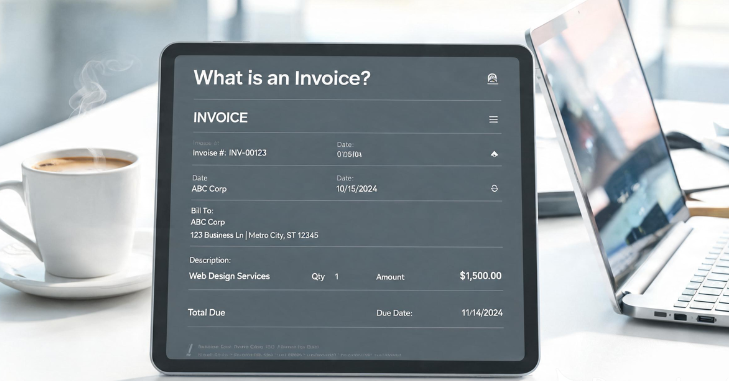
One of the most important elements is the invoice number, which helps track and reference transactions. The date of issue and due date are also critical, as they indicate when the payment is expected.
Seller and Buyer Information
The invoice should include the seller’s and buyer’s details, such as names, addresses, and contact information.
Description of Goods or Services
A clear description of the products or services provided, along with the quantity, unit price, and total amount, is necessary. Taxes, discounts, and additional charges should also be clearly mentioned.
Payment Terms and Methods
Payment terms and methods are another important part of an invoice. These specify how and when the payment should be made, whether by bank transfer, cash, or an online payment platform.
Importance of Complete Information
Including all these components ensures that the invoice is complete and easy to understand.
Types of Invoices
There are several types of invoices used in different business situations. A standard invoice is the most common type, used for regular transactions. A pro forma invoice is issued before goods or services are delivered and serves as an estimate rather than a demand for payment.
A credit invoice is used when a seller needs to refund or adjust a previous transaction, while a debit invoice is issued to increase the amount owed. Recurring invoices are commonly used for subscription-based services, where payments are made regularly over time.
Commercial invoices are used in international trade and include additional details required for customs clearance. Each invoice type serves a specific purpose, and choosing the right one depends on the nature of the transaction.
How Does an Invoice Work?

- The invoicing process starts after goods or services are delivered.
- The seller creates an invoice with the amount due.
- The invoice is sent via email, online platforms, or physically.
- The customer reviews the invoice details.
- Payment is made in accordance with the specified terms.
- Payment may be immediate or within 7, 15, or 30 days.
- The seller records the payment upon receipt.
- The invoice is marked as paid.
- Reminders are sent for late payments.
- Late fees may apply if agreed.
- The process ensures proper documentation.
- It helps maintain efficient payment collection.
Difference Between Invoice and Receipt
Although invoices and receipts are often confused, they serve different purposes. An invoice is issued before payment is made and acts as a request for payment. A receipt, on the other hand, is issued after payment is completed as proof that the transaction has been settled.
Invoices help track accounts receivable, while receipts confirm completed transactions. Both documents are important for record-keeping and financial management, but they are used at different stages of the payment process.
Benefits of Using Invoices

Record Keeping and Financial Tracking
Invoices offer numerous benefits for both businesses and customers. They provide a clear record of transactions, helping track income and expenses. This is especially important for financial planning and tax reporting.
Professionalism and Client Trust
Invoices also enhance professionalism and build trust with clients. A well-designed invoice reflects a business’s credibility and attention to detail. Additionally, invoices help reduce misunderstandings by clearly outlining the terms of the transaction.
Cash Flow Management
Another significant benefit is improved cash flow management. By tracking outstanding invoices, businesses can follow up on payments and avoid delays. This ensures a stable financial position and supports business growth.
Conclusion
In conclusion, understanding what an Invoice Is reveals that it is much more than just a payment request. It is a vital tool for managing business transactions, maintaining financial records, and ensuring transparency between buyers and sellers.
From understanding its purpose and components to exploring different types and best practices, mastering invoicing is essential for anyone involved in business. With the rise of digital technology, the process of issuing an invoice has become more efficient and accessible than ever before.
By adopting proper invoicing practices and avoiding common mistakes, businesses can improve their cash flow, enhance professionalism, and build stronger relationships with their clients.
Want to know about How To Register A Business? Check out our Business category.
FAQs
An invoice is a formal document sent by the seller to the buyer. It identifies the goods or services provided, the exact amount of money owed, and when and how the payment is to be made.
The primary purpose of an invoice is to create an official record of the agreement between the seller and buyer for the sale of goods or services. Invoices serve several important functions: An invoice as a Payment Request. An invoice is a formal request to pay. It states how much is owed and when it’s due.
To clarify, an invoice doesn’t mean you have been paid. An invoice is a formal request for payment from a seller to a buyer. It acts as a bill outlining the products or services provided, the amount owed, and the payment deadline.
Invoice payment is the payment made by a customer for goods or services provided. It’s an installment sale, which occurs when a business issues an invoice for payment.

